November 20, 2026
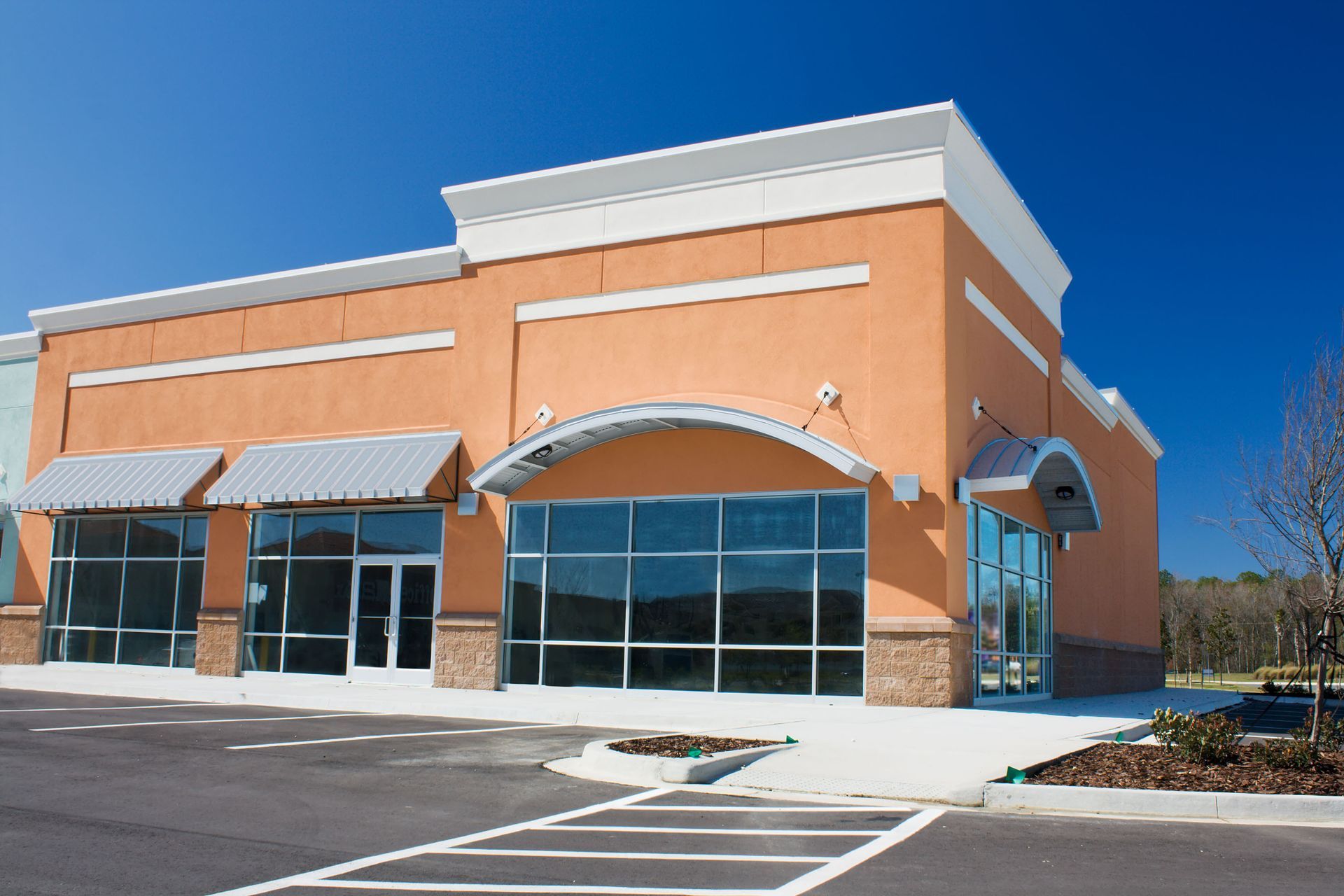
Modern commercial facades rely heavily on expansive glass spans to provide daylight, aesthetic value, and inviting entryways for patrons. Achieving these benefits requires meticulous structural preparation, as improper glazing techniques can quickly trigger system instability and frame deflection. Investing in certified professional commercial glazing ensures that structural loads, building movement, and environmental stressors are managed safely from day one.
1. Understanding the Mechanics of Frame Deflection
Frame deflection occurs when excessive external or internal loads cause the framing members supporting the glass to bend, bow, or displace. In commercial structures, this phenomenon typically stems from four major factors: wind loads, dead loads, seismic activity, and thermal expansion. When framing shifts beyond safe engineering tolerances, the surrounding panes experience uneven pressure points, which can fracture the lites or compromise the building envelope.
Engineering a resilient framework requires evaluating the structural profile, the material gauge, and the spacing of intermediate mullions. According to the Denver Building Code, framing members that support an individual pane of glass must be engineered so that the deflection along the edge of the perpendicular glass does not exceed 1/175 of the glass edge length to be considered firmly supported. Maintaining this threshold safeguards the glass from excessive mechanical stress during high wind events and regular building shifts.
Commercial projects require heavy-duty aluminum extrusions that provide high moment-of-inertia values. If the extrusion profile is insufficient for the height or width of the rough opening, structural failure becomes a serious risk. Professional commercial glaziers perform rigorous engineering calculations beforehand, verifying that every vertical and horizontal member withstands maximum localized wind pressures without encroaching upon critical deflection limits.
2. Selecting High-Performance Framing Materials
Selecting proper framing materials is the first physical defense against frame deflection during storefront glass installation. Commercial aluminum systems remain the standard choice across the industry due to their exceptional strength-to-weight ratio, durability, and resistance to corrosion. However, standard profiles vary significantly in wall thickness, alloy grade, and internal reinforcement options, making precise specifications essential for commercial longevity.
When planning openings that span large vertical distances, commercial contractors often implement internal steel reinforcement bars or plates directly inside the aluminum mullions. This combination preserves the clean lines of commercial aluminum doors and framing while dramatically raising the moment of inertia. Internal steel tubes absorb large lateral loads without requiring bulky external profiles that detract from the visual design of the building.
Furthermore, thermal break designs must be factored into structural evaluations. Modern energy-efficient storefronts often use thermally broken framing that incorporates polyamide insulating strips to reduce heat transfer. Because these composite assemblies respond differently to mechanical loads than solid aluminum extrusions, the structural design must account for composite shear resistance. Selecting verified commercial extrusions ensures the framing retains complete structural rigidity throughout seasonal temperature swings.
3. Executing Accurate Anchorage and Shimming Methods
Even the strongest framing materials will deflect if they lack proper anchorage into the surrounding building substrate. Anchors must securely tie the storefront perimeter to concrete, masonry, structural steel, or reinforced wood studs. Misaligned anchor fasteners, inadequate embedment depth, or irregular spacing along the perimeter can allow framing members to twist under lateral wind pressures.
Professional installers follow strict layout parameters to evenly distribute applied loads across the surrounding substrate:
- Setting perimeter fasteners within six inches of every corner, jamb, and mullion intersection to control rotational forces
- Spacing intermediate perimeter fasteners no more than twenty-four inches apart along sills, headers, and jambs
- Placing high-density, non-compressible shims directly behind anchor points to eliminate framing bow and screw distortion
- Utilizing expansion anchors or heavy-duty concrete screws that match the precise engineering requirements of the base material
Shimming requires exceptional precision because uneven shims will force the frame out of plumb, creating built-in deflection before any glass is even set into place. Non-compressible plastic or treated elastomeric shims must support the framing without compressing over time. Installers verify plum, level, and square tolerances using commercial lasers, guaranteeing that the frame maintains a true vertical and horizontal plane.
4. Positioning Setting Blocks and Gaskets Appropriately
The interface between the glass pane and the framing system dictates how dead loads transfer through the assembly. Glazing contractors install dense neoprene or EPDM setting blocks along the bottom edge of the glass lite to support its weight. Placing these setting blocks incorrectly places concentrated dead loads at weak points along the horizontal framing member, causing noticeable frame sagging.
To maintain proper load distribution and avoid frame deformation:
- Position setting blocks at the quarter points of the bottom glass edge, typically between 15% and 25% of the total glass width from each vertical edge.
- Verify that setting blocks share identical durometer ratings, typically between 80 and 90 Shore A, to prevent uneven settling.
- Keep the glass edge centered along the thickness of the setting block so the weight is not applied eccentrically to one side of the metal flange.
- Align horizontal intermediate mullions with adequate drainage weep holes to avoid water accumulation around the blocks.
Gaskets and side spacer tapes also play a critical structural role by cushioning the glass against wind vibrations and lateral impact. High-performance EPDM pre-shim gaskets maintain consistent compression along the perimeter. When gaskets are compressed correctly, they prevent the glass pane from walking into direct contact with the aluminum channel, eliminating metal-to-glass contact points that cause edge spalling or catastrophic thermal stress fractures.
5. Managing Thermal Movement and Environmental Loads
Building facades constantly expand and contract as ambient temperatures shift between freezing winter nights and sweltering summer afternoons. Commercial aluminum moves at roughly twice the rate of architectural glass, creating substantial differential movement within the assembly. If the frame design does not accommodate this dimensional expansion, the extrusions will bow outwards or inward under intense thermal pressure.
Expansion mullions, slip joints, and slotted anchor holes are engineered into multi-lite storefront runs to absorb this movement. For lengthy storefront spans, experienced glaziers install vertical expansion joints at calculated intervals, preventing longitudinal stress from warping the jambs or buckling intermediate mullions. Slotted anchor clips at the header allow the building superstructure to deflect vertically under snow and live loads without crushing the glass below.
Environmental factors like wind suction must also be counteracted through correct sealant and perimeter backer rod installation. Commercial-grade structural silicones create durable, flexible seals that absorb shear movements while bonding the frame and glass into a cohesive unit. These sealants expand and contract without losing adhesion, keeping moisture out and maintaining consistent structural behavior across the entire facade.
6. Avoiding Inexperienced and Non-Compliant Installations
Attempting storefront glazing without commercial training, proper crane or suction equipment, and engineering certifications regularly leads to catastrophic building envelope failures. Commercial glass panes often weigh several hundred pounds and demand heavy structural calculations that DIY techniques cannot accommodate. Inadequate tools, wrong anchor selections, or overlooked expansion clearances frequently lead to ruptured glass panes, extensive water leaks, and severe liability hazards.
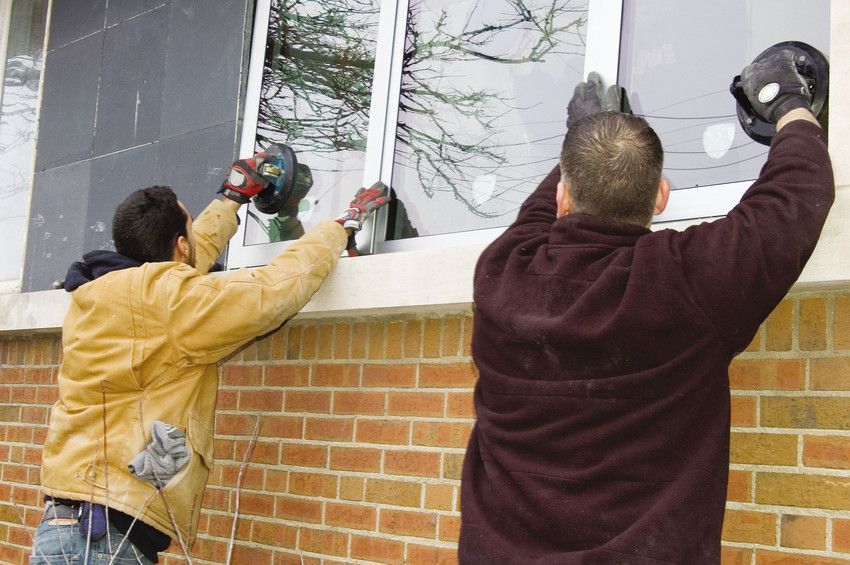
Certified commercial glazing technicians utilize specialized vacuum-lifters, calibrated torque wrenches, and laser alignment tools to position and secure every component. They ensure full compliance with regional commercial codes, wind-borne debris regulations, and architectural standards. Engaging specialized commercial contractors protects capital investments and ensures the safety of commercial tenants, employees, and retail patrons.
When existing framing exhibits signs of bowing, loose gaskets, or seal degradation, prompt intervention prevents complete structural failure. Commercial specialists can evaluate the system to execute targeted storefront glass repair, reinforce perimeter anchors, replace distorted framing extrusions, or perform full storefront glass door replacement to restore complete structural integrity.
Relying on Professional Glazing Standards
Preventing frame deflection during storefront glass installation demands rigorous load calculations, robust framing selections, precise anchor configurations, and experienced installation teams. Commercial storefronts represent a substantial investment in property aesthetics, energy conservation, and public safety, making structural precision non-negotiable. For dependable and long-lasting commercial results, trust the specialized commercial installation and repair services provided by Absolute Glass & Windows LLC.