November 14, 2026
Commercial glass affects the appearance, safety, and functionality of business properties. Storefront windows, office partitions, entrance doors, and glass facades provide natural light while supporting daily operations. However, accidents, severe weather, temperature changes, and normal wear can cause damage. Choosing the right replacement material is essential because different options offer varying levels of strength, insulation, and protection. Professional glass replacement helps Colorado business owners select and install suitable materials based on their property's specific needs.
Understanding the Different Types of Commercial Glass
Commercial properties use several types of glass depending on their design, location, and functional requirements. Some materials prioritize visibility and affordability, while others provide additional strength, insulation, or impact resistance.
According to About Civil, there are six common types of glass used for commercial purposes: sheet, plate, tempered, laminated, insulated, and wired glass. Each type serves a different purpose, making material selection an important part of commercial construction and maintenance.
For example, a storefront may require glass that provides clear visibility while maintaining an attractive appearance. An office building, on the other hand, may benefit from insulated glazing that supports indoor temperature control. Businesses with specific safety requirements may need tempered or laminated materials.
Understanding these differences helps property owners identify suitable options when existing glass becomes damaged or needs updating. A professional glass provider can evaluate the application, surrounding structure, and performance requirements before recommending an appropriate material.
Exploring Sheet Glass for Commercial Applications
Sheet glass is a basic type of glass manufactured by drawing or rolling molten glass into relatively thin sheets. It has traditionally been used in applications where affordability and visibility are important considerations.
Because of its relatively simple manufacturing process, sheet glass can be found in certain older buildings and basic glazing applications. It provides transparency and allows natural light to enter a space, making it useful for locations where advanced performance characteristics are not the primary concern.
However, sheet glass generally does not offer the same strength or specialized safety features as tempered or laminated alternatives. Its suitability depends on the installation location, applicable building codes, and the property's requirements.
When evaluating older commercial windows, property owners may discover that the existing material no longer meets current performance expectations. In these situations, a professional can help determine whether another glass type would provide better functionality and protection.
Considering Plate Glass for Storefront Windows
Plate glass is manufactured through a process that produces relatively thick, flat glass with a smooth surface. It has historically been used in commercial applications requiring clear visibility and a polished appearance.
Storefront windows are one example of where plate glass has been used. Large glass panels allow businesses to display merchandise, create inviting entrances, and establish visual connections between indoor and outdoor spaces.
However, traditional plate glass is not automatically suitable for every commercial application. Depending on its treatment and specifications, it may lack the safety characteristics required for certain doors, windows, or other areas where human impact is possible.
Modern commercial glazing often incorporates safety glass options to meet applicable building requirements. When considering glass replacement for storefronts, businesses should evaluate factors such as panel dimensions, location, exposure, and safety standards.
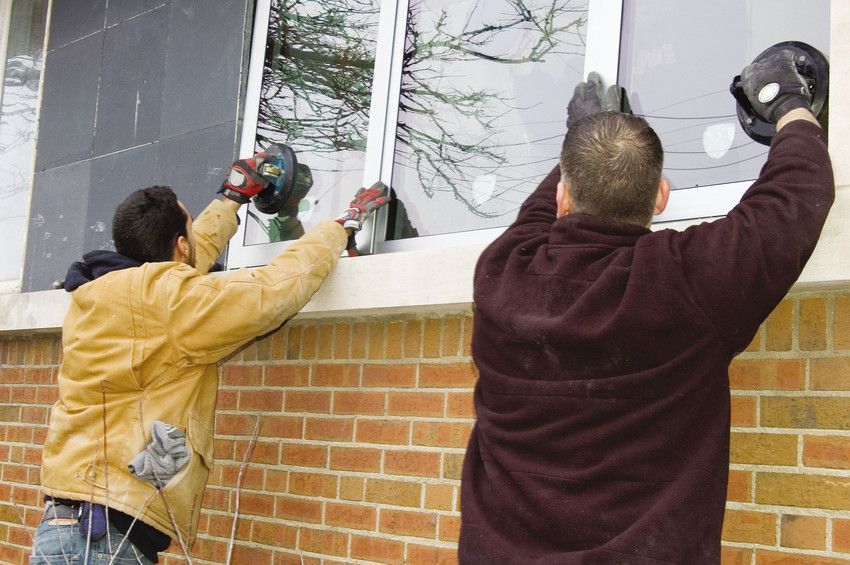
Professional installation also matters because large commercial panels require appropriate handling and support. Properly selected materials help maintain the storefront's appearance while supporting its intended use.
Using Tempered Glass for Improved Safety
Tempered glass is a popular option for commercial properties because of its increased strength compared with ordinary annealed glass. It is manufactured through a controlled heating and cooling process that creates internal stresses, helping the material withstand greater impacts and temperature changes.
One of its most recognizable characteristics is how it breaks. Instead of forming large, sharp shards like standard glass, tempered glass typically breaks into smaller pieces with less sharply defined edges. This can reduce the risk of certain severe injuries, although it does not make the material completely risk-free.
Tempered glass is commonly used in commercial doors, storefront systems, interior partitions, and other locations where safety glazing is required. Its strength makes it useful in areas that experience frequent activity or potential contact.
However, tempered glass cannot be cut or altered after the manufacturing process is complete. Measurements, hardware openings, and other specifications must be established before production.
When damaged tempered panels need replacing, professional glass replacement helps ensure that the new material meets the application's dimensions and safety requirements. A qualified installer can also verify that the surrounding frame and hardware are appropriate for the replacement panel.
Choosing Laminated Glass for Added Protection
Laminated glass consists of two or more glass layers bonded together with an interlayer, commonly made from a plastic material such as polyvinyl butyral. This construction helps hold the glass together if it breaks.
Rather than immediately separating into individual pieces, the fractured glass generally remains attached to the interlayer. This characteristic makes laminated glass useful in applications where retaining broken material is an important safety consideration.
Commercial buildings may use laminated glass in storefronts, entrances, overhead glazing, and other locations where additional protection is desirable or required. Depending on its specifications, laminated glass can also help reduce certain types of outside noise.
For Colorado businesses, this option may be worth considering when evaluating glazing exposed to busy pedestrian areas or demanding environmental conditions. However, the appropriate product depends on the building's design, location, and applicable safety standards.
Laminated glass is available in different thicknesses and configurations. Professional guidance helps property owners select a product that meets their specific performance expectations without overlooking structural or installation requirements.
Improving Energy Efficiency With Insulated Glass
Insulated glass units are designed to help reduce heat transfer through windows. They typically consist of two or more glass panes separated by a sealed space containing air or an insulating gas.
This construction helps limit the movement of heat between indoor and outdoor environments. As a result, insulated glazing can support more consistent interior temperatures and reduce the workload placed on heating and cooling systems.
This feature is particularly relevant for Colorado commercial properties, where seasonal temperature differences can be significant. Businesses may experience cold winter conditions, warm summer afternoons, and changing temperatures throughout the year.
Insulated glass can help improve building comfort while supporting energy management goals. However, its actual performance depends on factors such as pane thickness, coatings, gas fill, frame construction, and installation quality.
Over time, insulated units can develop seal failures. Warning signs may include condensation or fogging between the panes, which can indicate that the sealed space has been compromised.
Replacing a failed unit can help restore the window's intended performance. Professional glass replacement allows technicians to assess the existing glazing system and determine whether the insulated unit or a larger portion of the assembly requires attention.
Evaluating Wired Glass for Specialized Applications
Wired glass contains a metal wire mesh embedded within the glass during manufacturing. The wire is intended to help hold portions of the material together when it breaks.
Historically, wired glass was used in certain commercial and industrial settings, including locations where fire-rated glazing was needed. Its distinctive appearance also made it recognizable in older institutional and commercial buildings.
However, wired glass should not automatically be considered a modern safety solution. Traditional wired glass may have limitations related to impact resistance and can create injury risks when used in inappropriate applications.
Commercial glass replacement requires considering building codes, safety needs, location, and weather conditions. Professional glass specialists can evaluate existing panels, identify suitable materials, and recommend compatible alternatives that meet applicable requirements while supporting the building’s intended use.
Maintaining commercial glazing is an important part of protecting a building's appearance, comfort, and functionality. Whether a business needs a storefront panel, an insulated window unit, or a safety glass door, selecting the appropriate material makes a meaningful difference.
Absolute Glass & Windows LLC provides professional glass services to help Colorado businesses maintain and improve their commercial properties. Contact the team today to discuss your commercial glass needs and schedule a professional evaluation.