November 18, 2026
Cracked storefront panels, fogged windows, and persistent drafts are more than cosmetic problems. They can affect how a building operates, how comfortable people feel inside, and what visitors notice before entering. Sometimes a damaged pane needs only a targeted repair. In other cases, older glazing has reached the point where replacing it makes more sense.
Commercial glass replacement offers an opportunity to address those issues while considering energy performance, security, appearance, and long-term maintenance. The right approach depends on the condition of the existing system, the building's use, and local code requirements. Here are six reasons property owners and managers may decide it's time to make a change.
1. Reduce Unwanted Heat Transfer
Large glass surfaces bring in daylight and outdoor views, but poorly performing glazing can also allow unwanted heat gain in summer and heat loss in winter. If employees regularly adjust thermostats because one side of an office feels too warm or too cold, the windows deserve a closer look. Drafts and failed seals can add to the problem.
Modern insulated glass units use two or more panes separated by a sealed space. Low-emissivity coatings can help control heat transfer, while selected glass configurations limit solar heat gain. Performance varies, so decision-makers should compare U-factor and solar heat gain coefficient rather than assume every new window will deliver the same results.
During a commercial glass replacement project, a qualified contractor can assess whether the existing frames are suitable for new glazing or whether a larger window-system upgrade is necessary. Also verify that proposed glass is compatible with the existing frame; heavier units sometimes require additional support. Energy savings depend on the building's climate, orientation, HVAC equipment, and current window condition. That makes an evaluation more useful than a universal promise about lower utility bills.
2. Improve Safety and Security
Broken glass near a customer entrance, loading area, or busy sidewalk creates an immediate hazard. Even without visible cracks, outdated glazing may not meet requirements for locations where people are likely to contact the surface. Doors, sidelites, and certain low or large panels often need safety glazing, depending on the applicable building code.
Tempered glass and laminated glass address different risks. Tempered glass is designed to break into relatively small pieces, reducing the likelihood of severe cuts. Laminated glass uses an interlayer that helps hold fragments together after breakage. Security glazing may involve additional tested components, so neither material should automatically be described as burglar-proof.
Commercial glass replacement can also be an opportunity to correct damaged framing, loose hardware, or failing weather seals. For exterior openings in high-wind areas, the entire assembly may need specific wind-pressure or impact approvals. Because building uses differ, a design suitable for a private office may not meet the requirements of an entrance. An experienced glass professional should identify the appropriate glazing for each location rather than use the same product throughout the property.
3. Make a Better First Impression
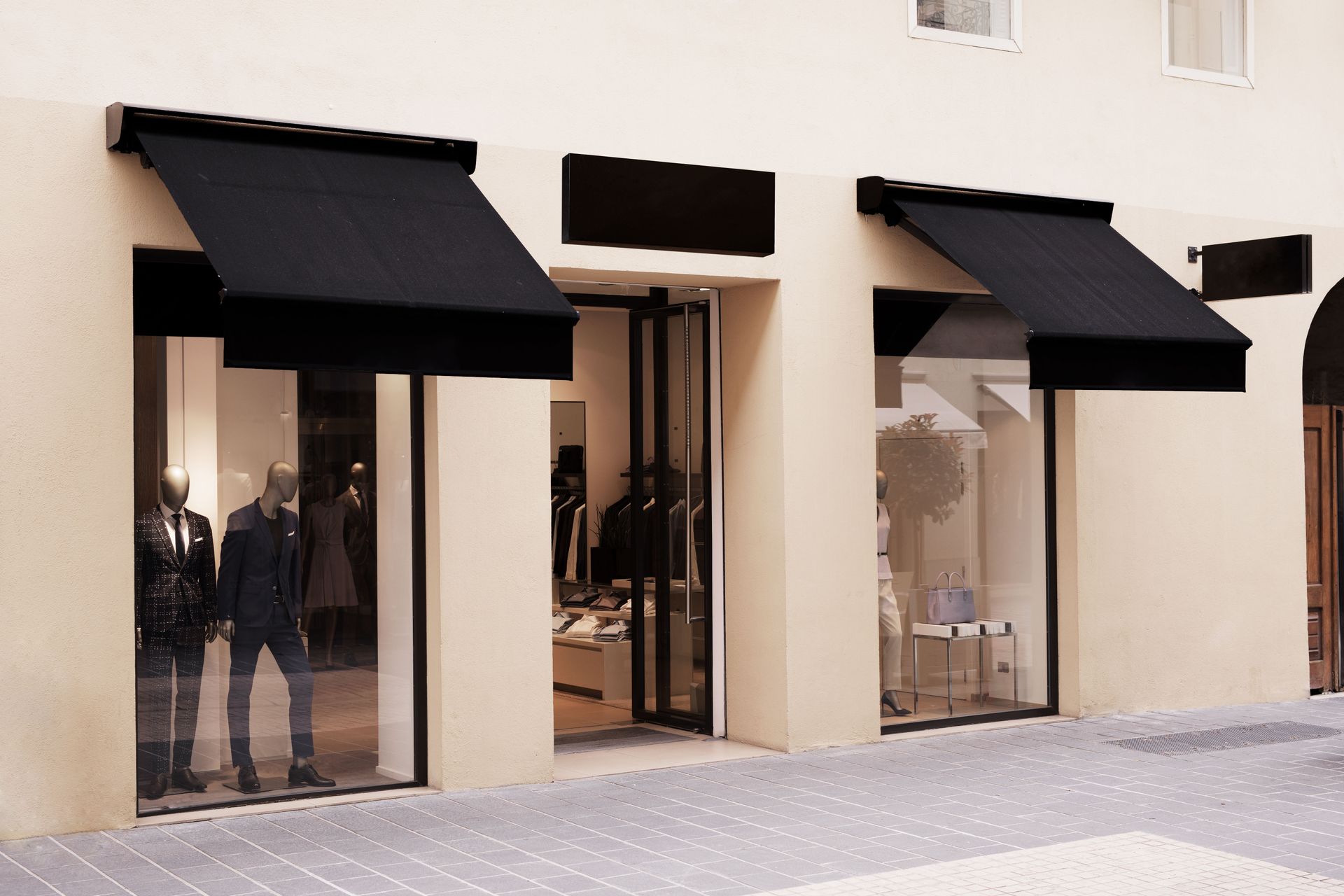
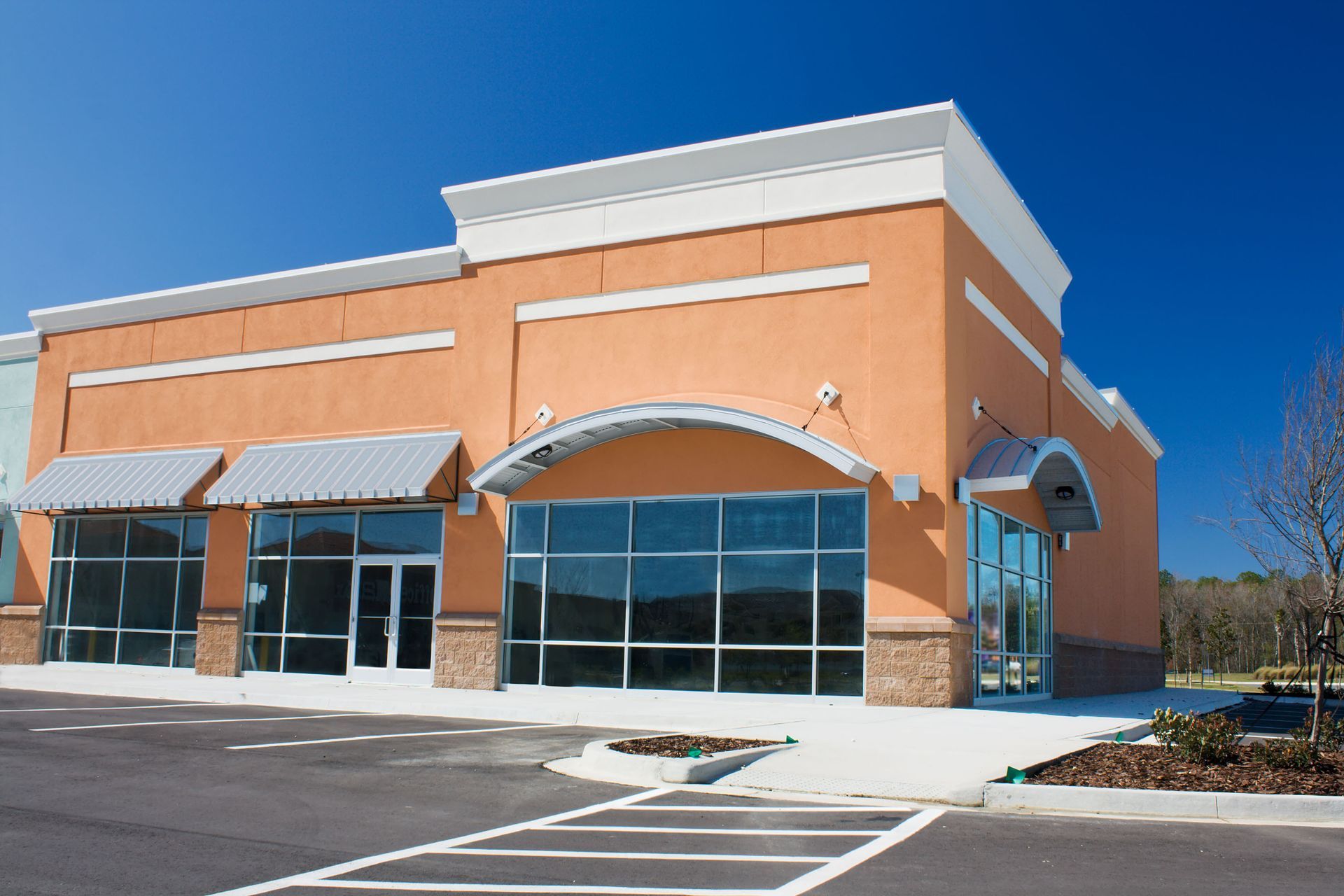
People often notice a business's exterior before they notice its signs or products. Scratched doors, cloudy insulated panes, and patched storefront sections can make a well-maintained interior look less inviting. Replacing damaged glass restores cleaner sightlines and helps the entrance feel more intentional.
Appearance has practical benefits, too. Clear glazing allows passersby to see displays and activity inside a retail space. In an office, thoughtfully positioned glass can bring natural light into shared areas without closing them off. Privacy films, tinted glazing, or patterned glass may help businesses balance visibility with discretion.
According to USGlass Magazine, commercial glass and glazing-related spending increased by nearly 22% year over year in January 2023. Office construction, lodging, and other commercial sectors all expanded substantially during that period. The figure describes industry construction spending at that time, not a guaranteed return from a particular replacement project. Still, it reflects how extensively glazing features in commercial buildings.
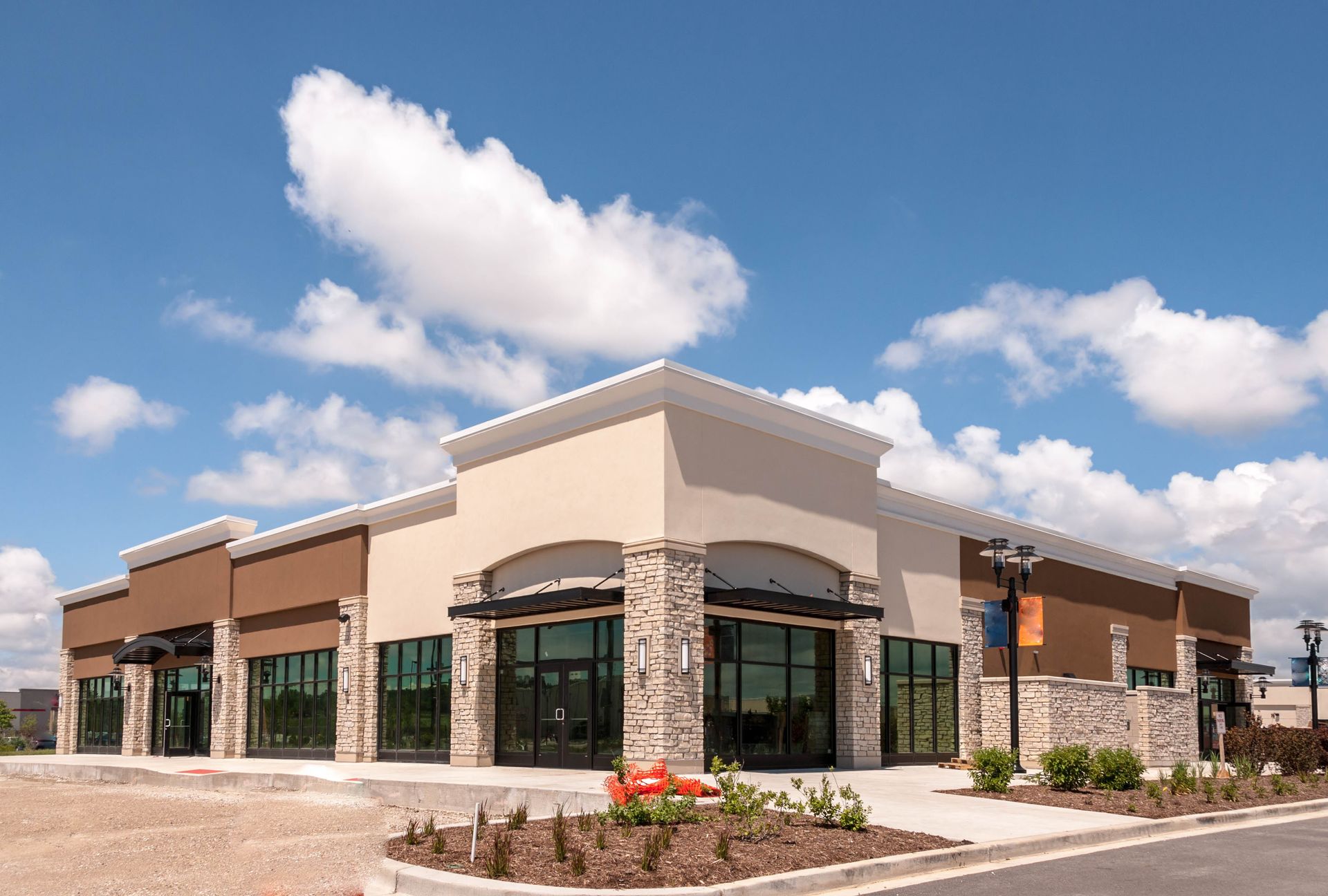
When planning commercial glass replacement, match the new panels to the existing facade, frame finish, and tenant needs. A cohesive result usually serves a property better than choosing a style simply because it is fashionable.
4. Create a More Comfortable Indoor Environment
Noise can travel through a building's exterior, especially near busy roads, parking lots, or delivery areas. Conversations at reception desks may become harder to hear, and concentration can suffer when outside activity constantly interrupts work. The right glazing assembly may reduce some of that intrusion.
Acoustic performance depends on the complete window or storefront system, not just glass thickness. Laminated glass with an acoustic interlayer, varied pane thicknesses, and well-sealed framing can help reduce sound transmission. Ask about tested ratings such as Sound Transmission Class or Outdoor-Indoor Transmission Class, and remember that poorly sealed doors or wall gaps can limit improvements.
Replacing the glass also creates a chance to address glare and uneven indoor temperatures. Solar-control coatings and shading strategies can make sun-facing areas more usable while preserving daylight. The goal is not to shut out the outdoors; it is to help people work, shop, and meet without fighting the building's conditions.
5. Protect Building Condition and Market Appeal
A failed insulated glass seal may leave permanent condensation between panes. Water entering around a storefront can damage interior finishes or surrounding materials. Ignoring those signs may allow a small maintenance concern to grow into a more disruptive repair.
Replacing compromised glazing can preserve the building envelope and make ongoing upkeep more predictable. Property managers may also find it easier to show prospective tenants a space with clear windows, functioning entrances, and consistent exterior finishes. Those features support market appeal, although they do not guarantee an increase in appraised value or rental income.
Before approving commercial glass replacement, document existing problems and identify their causes. Fogging between panes, condensation on room-side glass, and leaks around a frame require different solutions. A careful inspection helps determine whether to replace individual units, repair flashing, or address the whole storefront. Choosing the right scope can avoid unnecessary disruption to occupied spaces.
6. Support Long-Term Operating Goals
Glass choices affect maintenance routines, occupant comfort, and resource use over the life of a building. Replacing inefficient glazing may reduce heating and cooling demand, but actual energy benefits should be evaluated alongside installation impacts and the condition of the surrounding wall. A product's environmental value cannot be judged by its label alone.
Businesses also have day-to-day requirements that shape the project. A restaurant may need a clear entrance and dependable weather protection. A medical office might prioritize privacy and accessible circulation. Retail tenants may need work scheduled outside peak hours to maintain safe customer access.
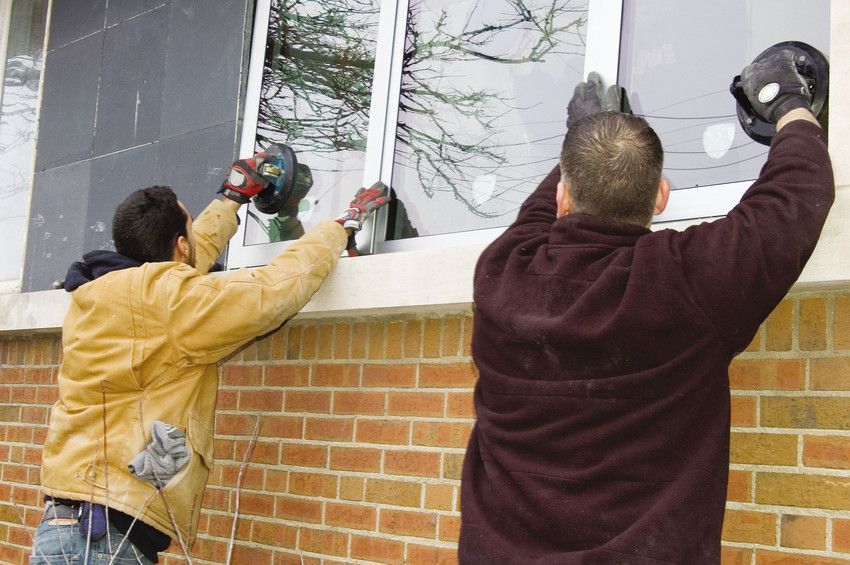
A well-planned commercial glass replacement starts with accurate measurements, appropriate product specifications, and clear expectations about permits and scheduling. Ask contractors how they will protect pedestrians, secure openings during work, and dispose of removed materials. Where accessible entrances or fire-rated assemblies are involved, the proposed work must preserve the applicable requirements.
Choose a Solution That Fits Your Building
New glazing can solve several problems at once, but replacing glass without understanding the existing system can lead to disappointing results. Start with the issues that matter most, whether they involve safety, comfort, appearance, or maintenance. Then compare options based on tested performance and the building's needs.
For help evaluating
commercial glass replacement options, contact Absolute Glass & Windows LLC. A professional assessment can clarify which openings need attention and what type of replacement is appropriate.